


- News
- August 18, 2025
- 356
- 7 minutes read
The Arctic Summit: What the Trump-Putin Meeting in Alaska Means for a New World Order

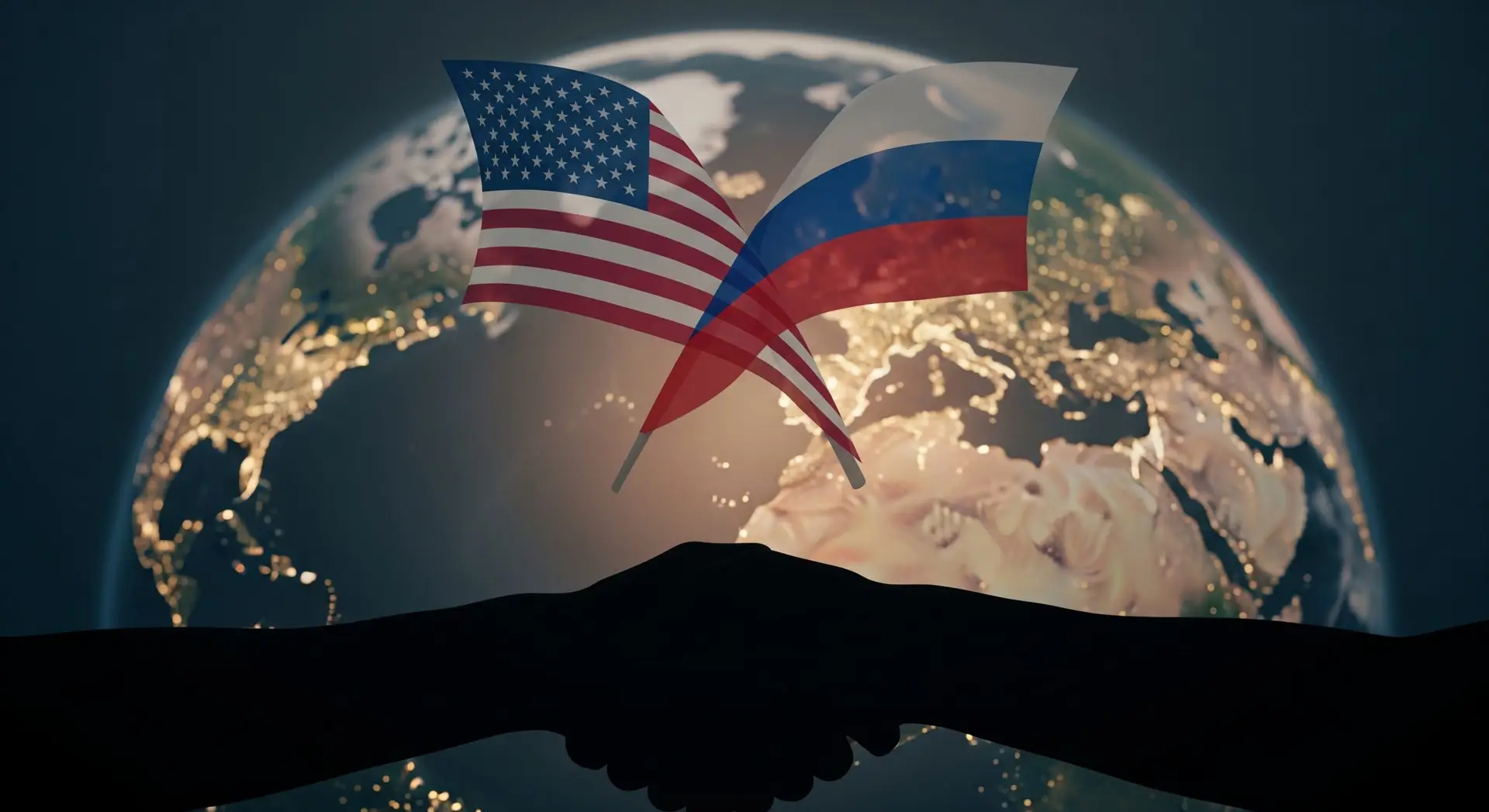
The world’s gaze is fixed on Washington D.C., where a pivotal meeting is underway that could redefine the geopolitical landscape for years to come. In an unprecedented trilateral summit, U.S. President Donald Trump is hosting Ukrainian President Volodymyr Zelenskyy and a delegation of European leaders to discuss a path to a lasting peace in the ongoing Russia-Ukraine war. This is not just a negotiation; it’s a high-stakes diplomatic crossroads where the future of international security, regional sovereignty, and the global order hangs in the balance.
For over three years, the conflict has been a defining feature of the international stage, costing countless lives, displacing millions, and causing profound economic and social instability across the globe. The current talks represent a significant shift from military-centric strategies to a renewed focus on a diplomatic solution, led by the United States with the backing of its European allies.
This article delves into the complex motivations behind the meeting, the critical issues on the table, and the potential outcomes that could emerge from these historic negotiations.
The Path to the Summit: A Shift in Strategy
The road to this summit has been marked by years of intense military conflict and stalled negotiations. Previous attempts at de-escalation were primarily bilateral, often failing to secure a consensus among all parties. This new trilateral format, which includes key European allies, signifies a more united and comprehensive approach.
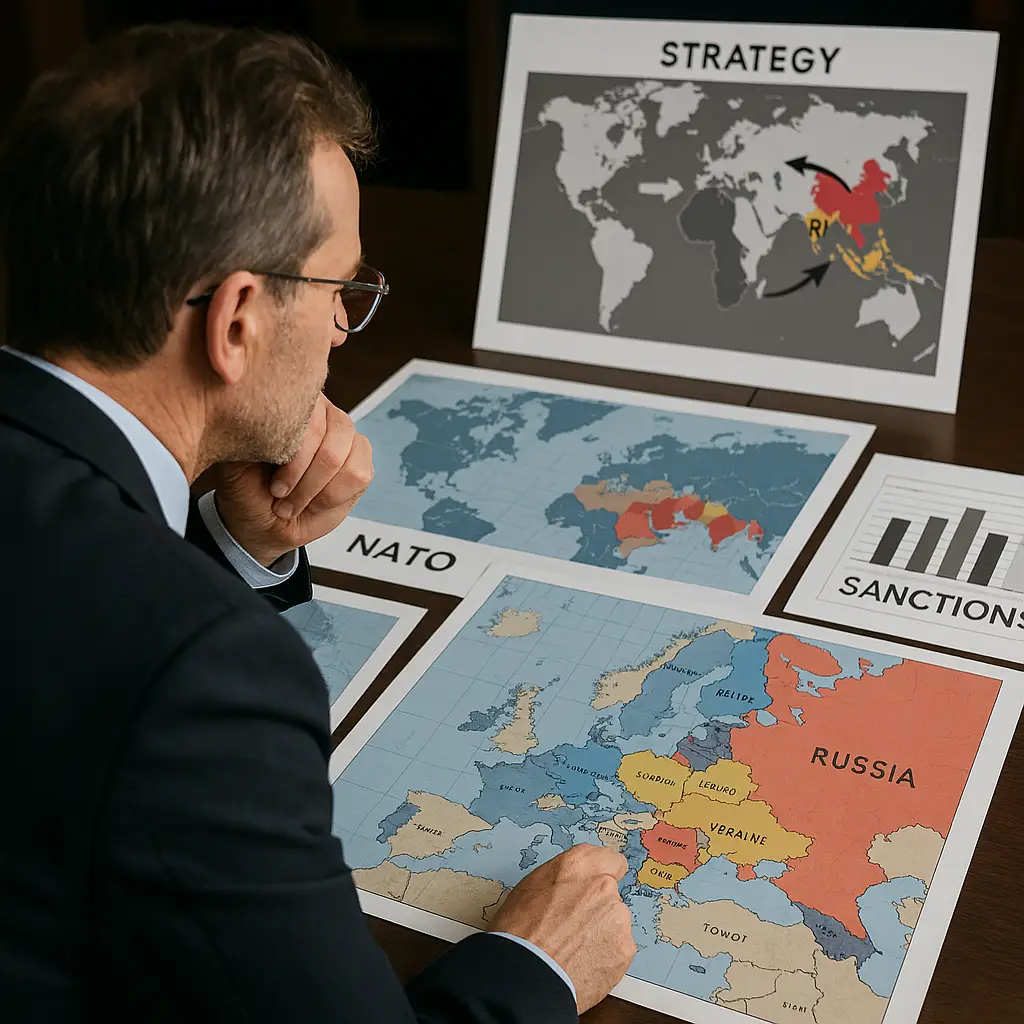
The inclusion of European leaders is crucial. They represent nations with a vested interest in the region’s stability and have been instrumental in providing humanitarian aid and military support to Ukraine. Their presence ensures that any agreement reached is not merely a U.S.-led initiative but a broader, multilateral consensus. This provides a stronger foundation for a lasting peace, as any deal would carry the weight of both American and European endorsement.
Key Drivers for Diplomacy
Several factors converged to make this diplomatic push possible:
Evolving Geopolitical Landscape: The global focus has begun to shift, and major world powers are looking to resolve protracted conflicts to address emerging challenges.
Domestic Pressure: Leaders face increasing pressure at home to secure a peaceful resolution and reduce the economic strain caused by the conflict.
Exhaustion of Military Avenues: The stalemate on the battlefield has shown that a definitive military victory for either side is unlikely, making a negotiated settlement the most viable path forward.
Quote: “Peace is not a destination; it’s a process. And that process requires every nation to come to the table with a genuine desire to find common ground, not just to score political points.” — A senior European diplomat attending the summit
Critical Issues on the Negotiation Table
The negotiations are fraught with complexities, with several key issues at the forefront. The talks are expected to be highly contentious, as leaders must navigate deeply entrenched positions and conflicting demands.
Territorial Integrity vs. Russian Control: The core of the conflict is Ukraine’s territorial integrity. Zelenskyy’s government has repeatedly stated that a peace deal must include the return of all occupied territories, including Crimea. However, Russia has long maintained that these territories are non-negotiable. The summit’s main challenge is to find a creative, mutually acceptable solution to this fundamental disagreement.
NATO Membership: Ukraine’s aspiration for NATO membership has been a major point of contention. While Ukraine sees it as a security guarantee, Russia views it as a direct threat. A potential compromise could involve a new security framework for Ukraine that is not tied to NATO but offers strong, binding security guarantees from multiple nations.
Sanctions and Economic Recovery: The economic sanctions imposed on Russia have had a significant global impact. A peace deal would likely involve a gradual lifting of these sanctions, but the timing and conditions of this would be a key point of negotiation. Additionally, the summit will need to address the massive task of rebuilding Ukraine’s infrastructure, which will require a multi-billion-dollar international effort.
The Players and Their Stakes
U.S. President Donald Trump: The summit is a defining moment for his administration. Having long advocated for a swift end to the conflict, Trump’s ability to broker a deal will be seen as a major foreign policy success, reinforcing his position on the global stage.
Ukrainian President Volodymyr Zelenskyy: Zelenskyy is under immense pressure to deliver a peace that honors his country’s sacrifices and does not cede sovereignty. He must balance the need for peace with the will of his people, who have fought fiercely to defend their nation.
Potential Outcomes and the Road Ahead
The summit could lead to several possible outcomes, each with its own set of implications:
A Ceasefire and Phased Disengagement: The most likely immediate outcome is a formal, internationally monitored ceasefire. This would be followed by a phased withdrawal of troops and a process for demilitarization in key areas.
A Comprehensive Peace Treaty: The most ambitious goal is a full peace treaty that addresses all outstanding issues, from borders to future security guarantees. This would be a monumental achievement but faces numerous hurdles.
Stalemate: Despite the best intentions, the summit could end in a stalemate if key parties refuse to compromise. This would revert the situation to the status quo, with the conflict continuing and diplomatic options becoming even more limited.
A New Chapter for International Diplomacy
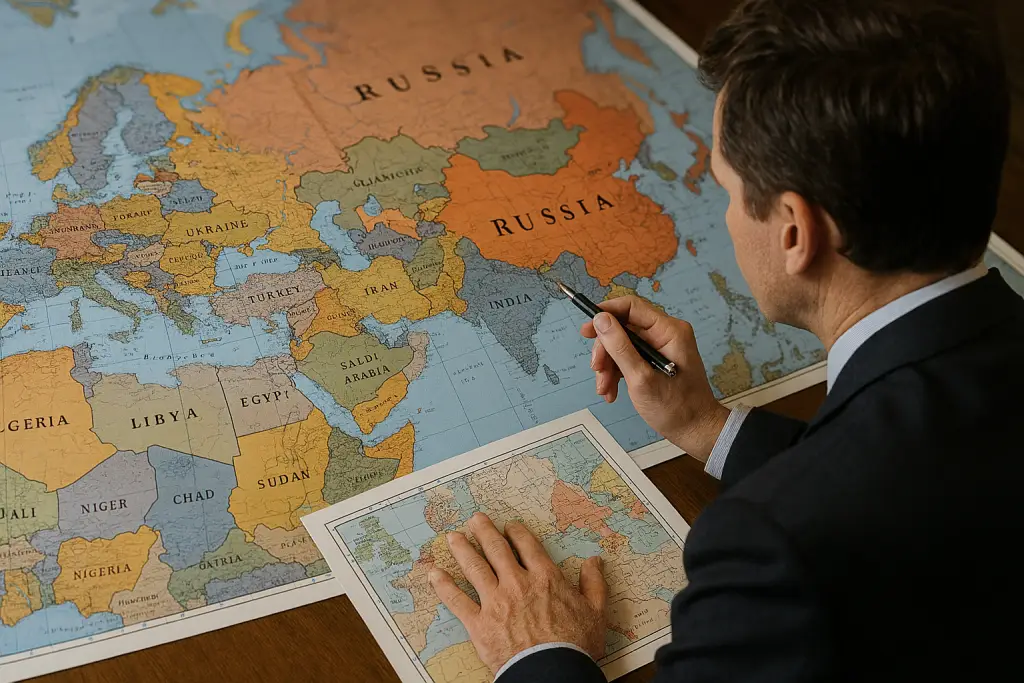
Regardless of the immediate outcome, the Washington summit represents a new chapter in international diplomacy. It underscores a growing global consensus that the current conflict cannot be solved on the battlefield alone. The world is watching, hoping that this convergence of leaders will lead to a breakthrough that not only ends the war but also establishes a new, more collaborative model for resolving complex international disputes. The stakes could not be higher, and the world holds its breath, waiting to see if diplomacy will finally prevail.


 English
  Turkish