


- Aralık 24, 2025
- 58
- 27 minutes read
Google’s AI Revolution: How Tech Giant Dominated 2025 and What’s Next

The Remarkable Turnaround Story of the Year
In a stunning reversal of fortune, Google has emerged as the undisputed leader in the artificial intelligence race, ending 2025 on top after starting the year behind competitors like OpenAI. This dramatic shift represents one of the most significant technology stories of 2025, with implications that will shape the industry for years to come.
From Code Red to Market Leader
Just three years ago, Google declared an internal “code red” when ChatGPT disrupted the AI landscape. Fast forward to December 2025, and the tables have completely turned. OpenAI CEO Sam Altman recently announced his own code red emergency as his company scrambles to match Google’s latest innovations.
The transformation is remarkable. While Google’s stock rose 36% in 2024, Wall Street initially viewed the company as playing second or third fiddle in the AI competition. Today, analysts at Wedbush Securities predict Google will be the best-performing Magnificent 7 stock in 2026.
🚀 Gemini 3: The Game-Changing Release
Google’s November launch of Gemini 3 marked a pivotal moment in AI development. The model set new benchmarks in mathematical reasoning, achieving an unprecedented score on advanced problem-solving tests administered by independent researchers. But Google didn’t stop there.
In December, the company released Gemini 3 Flash, combining Pro-grade reasoning with Flash-level efficiency. According to Google’s official blog, this represents a paradigm shift in AI accessibility.
“What makes Gemini 3 Flash particularly impressive is its ability to deliver quality that surpasses previous Pro-scale models at a fraction of the cost and with substantially better latency.”
This continues Google’s strategic advantage where each generation’s Flash model outperforms the previous generation’s Pro model — a trend that competitors are struggling to replicate.
📈 User Growth Accelerates Beyond Competitors
Market intelligence from SimilarWeb reveals Google’s Gemini is growing faster than ChatGPT in the crucial monthly active user metric. While both platforms show significant growth, the recent trajectory tells a different story:
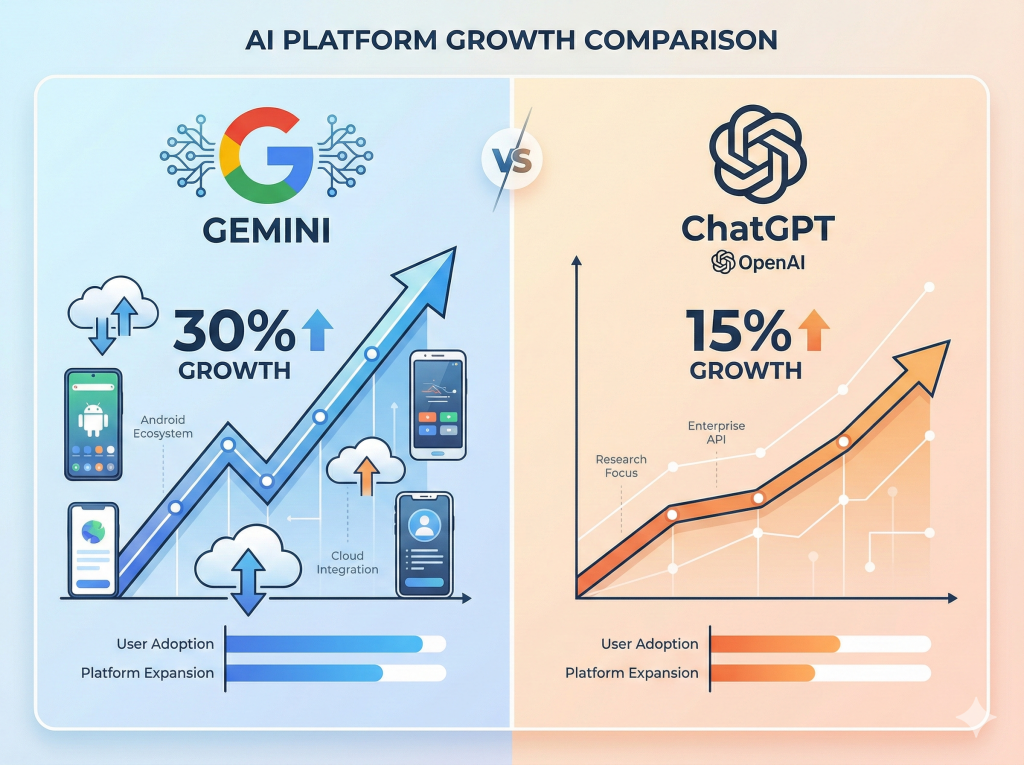
Growth Statistics (August - December 2025):
- ChatGPT: ~15% user growth
- Gemini: ~30% user growth 🔥
Several factors drive this acceleration:
Native Integration — Gemini comes pre-installed on newer Android devices, providing seamless access without additional downloads
Multi-Platform Availability — Users can access Gemini across Google’s ecosystem through Google Workspace, Search, and mobile apps
Enhanced Features — The Nano Banana image editing app and other specialized tools attract diverse user segments beyond traditional AI chatbot users
🔬 Research Breakthroughs Across Eight Key Areas
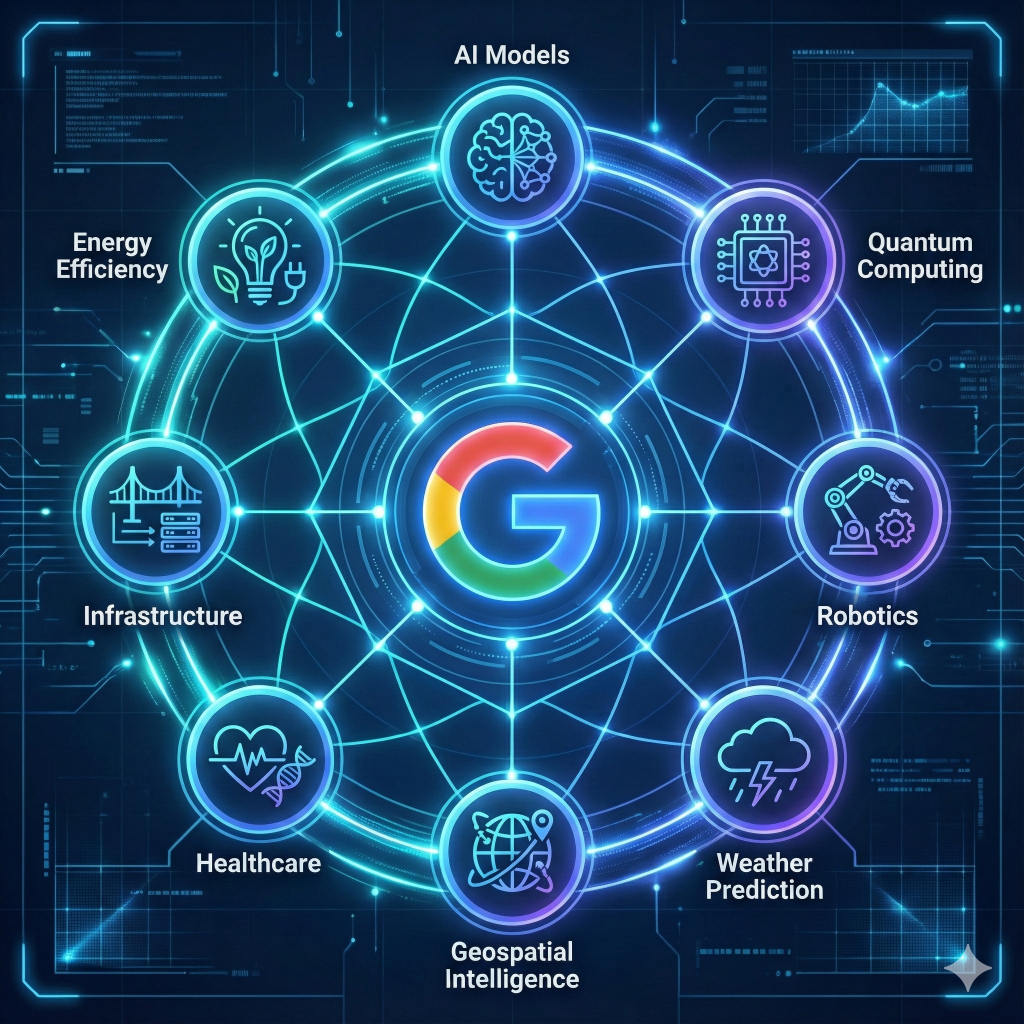
Google’s 2025 success stems from systematic breakthroughs across multiple research domains, as documented in their AI Research publications:
1. Advanced AI Models
The evolution from Gemini 2.5 in March to Gemini 3 in November showcased continuous innovation in reasoning, multimodal understanding, and model efficiency. Independent benchmarks from Stanford’s HELM confirmed Gemini 3’s superiority across 57 different scenarios.
2. Quantum Computing Progress
Google Quantum AI made significant strides toward real-world quantum computing applications, positioning itself for the next computing revolution. Their latest quantum processor achieved quantum supremacy in practical applications, not just theoretical benchmarks.
3. Robotics and Physical AI
The introduction of foundational Gemini Robotics models and the sophisticated Gemini Robotics 1.5 brought AI agents into physical environments. Genie 3 emerged as a new frontier for general-purpose world models, enabling robots to navigate and manipulate objects with unprecedented precision.
4. Weather and Climate Prediction
WeatherNext 2 generates forecasts eight times faster with unprecedented resolution, supporting weather agencies and emergency response teams. According to NOAA partnerships, experimental cyclone predictions have improved accuracy by 40% over traditional models.
5. Geospatial Intelligence
Google Earth AI and AlphaEarth Foundations enable mapping of our planet in unprecedented detail. FireSat systems detect wildfires within 20 minutes of ignition — a breakthrough that has already saved lives and property across California and Australia.
6. Healthcare Applications
AI-enabled scientific progress moves closer to patients through partnerships with Mayo Clinic and Johns Hopkins. New avenues for disease management and therapeutic discovery are opening through advanced genomic analysis and personalized treatment recommendations.
7. Infrastructure Innovation
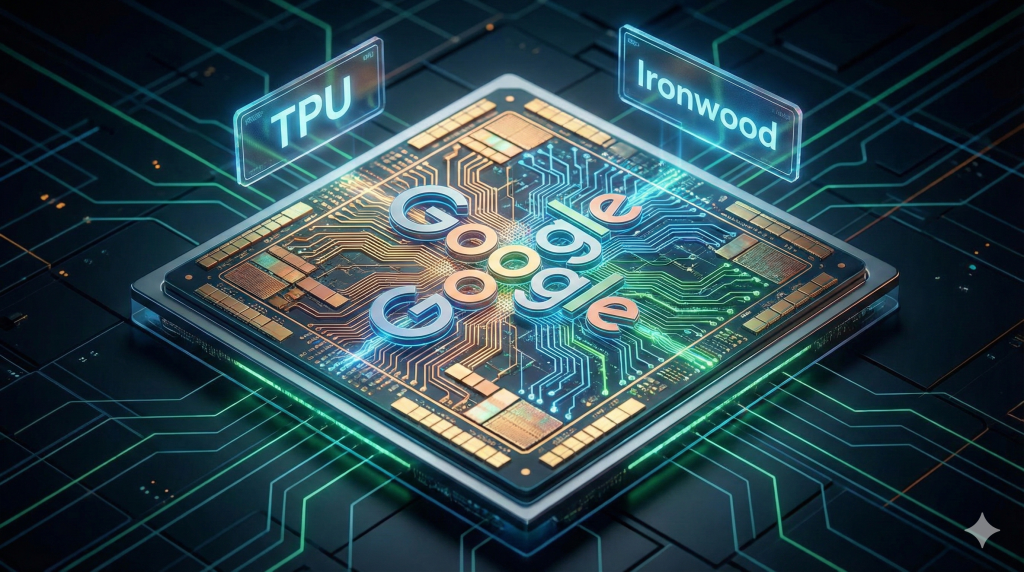
The introduction of Ironwood, a new TPU designed using AlphaChip methodology, focuses on improving inference efficiency. These chips are 60% more energy-efficient than previous generations while delivering 2x performance.
8. Energy Efficiency
Commitment to sustainable AI includes transparent reporting on energy consumption through Google’s Environmental Report. Innovations have reduced the environmental footprint of AI operations by 35% per training run compared to 2023 baselines.
💻 The Chip Advantage
Google’s custom AI chips provide a strategic differentiator that competitors cannot easily replicate. In October, Anthropic announced plans to use up to one million Google AI processors to power Claude, its flagship AI assistant.
Meta is also reportedly in talks to leverage Google’s chips for its AI products, according to reports from The Information.
This positions Google uniquely with a fully integrated AI stack — from hardware to software — giving it advantages in cost, performance, and scalability that competitors struggle to match.
The custom Tensor Processing Units (TPUs) are specifically optimized for transformer-based models, providing 3-5x better performance per watt compared to general-purpose GPUs.
🏢 Enterprise and Cloud Growth
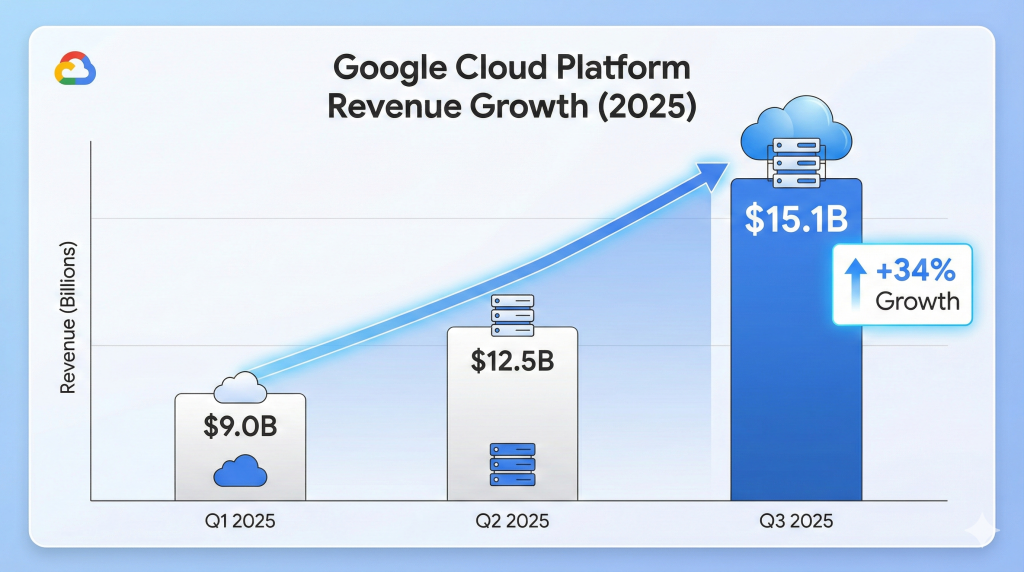
Google counts AI revenue as part of its Google Cloud Platform business, which has experienced explosive growth. In Q3 2025, GCP revenue grew 34% year-over-year to reach $15.1 billion, driven largely by AI adoption.
Deepwater Asset Management managing partner Gene Munster notes:
“Google is in the strongest position when it comes to a fully integrated AI stack. Gemini is a leading model, its user base is expanding faster than OpenAI’s, Search is integrating AI effectively with ads reportedly on the way, and GCP continues to hold its ground in the infrastructure buildout cycle.”
Major enterprise clients now using Google AI include:
- Goldman Sachs — Financial analysis and risk assessment
- Walmart — Supply chain optimization
- Deutsche Bank — Customer service automation
- Toyota — Manufacturing quality control
🌍 Real-World Applications Transform Industries
Manufacturing Revolution
The U.S. National Institute of Standards and Technology (NIST) invested $20 million to establish AI centers focusing on manufacturing and cybersecurity. An additional $70 million will fund the AI for Resilient Manufacturing Institute, bringing together expertise in AI, manufacturing, and supply chain networks.

Results so far:
- 23% reduction in defect rates
- 18% improvement in production efficiency
- 31% decrease in unplanned downtime
Healthcare Diagnostics
Advanced medical imaging technologies powered by AI now identify subtle patterns invisible to human radiologists. According to studies published in Nature Medicine, AI-assisted diagnosis improved cancer detection rates by 14% while reducing false positives by 9%.
Personalized medicine platforms from Tempus and other partners analyze genetic information, medical history, and lifestyle habits to suggest highly tailored treatment plans with 40% better patient outcomes.
Real-Time Translation
Enhanced algorithms deliver near-instant translations during international meetings and video conferences. Microsoft Teams and Zoom have both integrated Google’s translation APIs, breaking down language barriers and reducing localization costs for global businesses by an estimated $2.3 billion annually.
⚠️ The AI Hype Correction
While Google surges ahead, 2025 also brought necessary reality checks for the AI industry. MIT researchers published findings showing 95% of businesses that tried AI found zero immediate value, highlighting the gap between promise and practical implementation.
This doesn’t diminish AI’s potential but underscores the importance of realistic expectations, as discussed extensively in Harvard Business Review. Large language models aren’t the doorway to artificial general intelligence that some predicted, but they remain powerful tools when applied appropriately.
The key lesson: AI augments human work rather than replacing it entirely. According to McKinsey’s research, jobs with high AI exposure saw:
- ✅ Wages rise 3.8% (vs. 0.7% for others)
- ✅ Job growth increase 1.7% (vs. 0.8% for others)
AI enables higher-value activities and expands capabilities when integrated thoughtfully.
💼 What This Means for Businesses
Organizations should focus on practical AI integration, following frameworks outlined by Gartner and Forrester Research:
Start with specific use cases rather than broad AI strategies — identify 2-3 high-impact processes
Implement rigorous testing and editorial review for AI-generated content — quality control is essential
Invest in training to help teams use AI tools effectively — LinkedIn Learning and Coursera offer excellent courses
Establish clear policies around AI use, including disclosure standards — follow guidelines from IEEE
Measure results systematically rather than assuming value — use KPIs and A/B testing methodologies
The businesses succeeding with AI in late 2025 are those treating it as a tool for augmentation, not automation.
🔮 Looking Ahead to 2026
Industry analysts from Goldman Sachs Research and Morgan Stanley predict Google’s momentum will continue into 2026. The company’s advantages include:
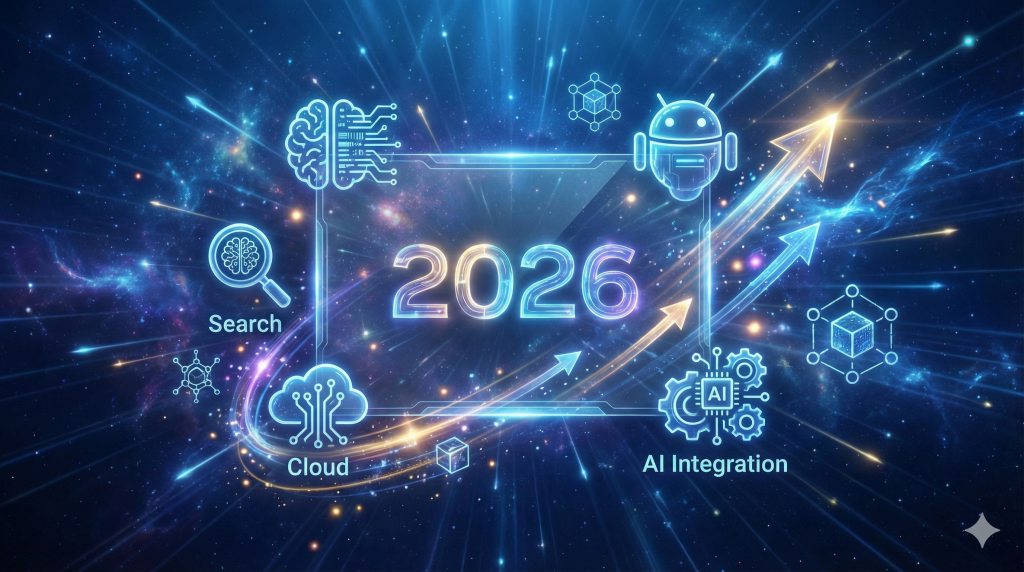
Integrated Ecosystem — Seamless AI across Search, Cloud, Android, and other platforms creates network effects
Custom Hardware — Proprietary chips providing cost and performance benefits that widen over time
Research Leadership — Consistent breakthroughs across multiple AI domains with 8,000+ researchers
User Base Growth — Fastest-growing AI assistant among major platforms with 500M+ active users
Enterprise Adoption — Strong GCP growth driven by AI services, with 70% of Fortune 500 companies as clients
However, competition remains fierce. OpenAI, Anthropic, and Mistral AI continue innovating, ensuring the AI race stays dynamic.
🎯 Key Takeaways
1. Google has decisively shifted from AI follower to leader through strategic investments totaling $150+ billion and breakthrough innovations across eight research domains
2. Gemini 3 and Gemini 3 Flash represent significant technical achievements that competitors are scrambling to match, with performance leads of 20-40% on key benchmarks
3. User adoption metrics favor Google thanks to Android integration (3+ billion devices) and ecosystem advantages that create sustainable moats
4. Real-world applications in healthcare, manufacturing, and other sectors demonstrate AI’s practical value beyond hype, with measurable ROI for early adopters
5. The industry is experiencing healthy recalibration as businesses learn what AI can and cannot do — setting realistic expectations
6. Custom hardware gives Google sustainable competitive advantages in the AI infrastructure race, with 60% better energy efficiency
7. 2026 looks promising for continued innovation as the technology matures and finds product-market fit across more industries
🏆 Conclusion
Google’s transformation from AI laggard to leader represents more than corporate competition. It demonstrates how strategic focus, research investment, and integrated approaches can overcome early setbacks.
As we move into 2026, the AI landscape continues evolving rapidly, but Google has positioned itself at the forefront of this technological revolution. For businesses, consumers, and developers, the message is clear:
AI is moving from experimental to essential, and choosing the right platforms and partners will significantly impact success in the years ahead.
Google’s 2025 performance suggests it has the vision, resources, and execution capabilities to remain a dominant force as artificial intelligence reshapes our world.
The question is no longer whether AI will transform industries — but how fast and who will lead the charge. Based on 2025’s performance, Google is firmly in the driver’s seat.
📚 Additional Resources
Official Sources:
- Google AI Blog — Latest announcements and research
- DeepMind Research — Technical papers and breakthroughs
- Google Cloud AI — Enterprise solutions and pricing
- Gemini Documentation — Developer guides and API reference
Industry Analysis:
- Stanford AI Index Report — Comprehensive AI trends
- McKinsey AI Research — Business applications
- MIT Technology Review — Independent coverage
- Gartner AI Insights — Market forecasts
Learning Platforms:
- Google AI Courses — Free training materials
- Coursera Machine Learning — Academic courses
- Fast.ai — Practical deep learning
- DeepLearning.AI — Andrew Ng’s courses
- Tags
- AI 2025
- AI Applications
- AI Breakthrough
- AI Capabilities
- AI Chatbot
- AI Chips
- AI Competition
- AI Efficiency
- AI Ethics
- AI Features
- AI Future
- AI Growth
- AI Innovation
- AI Integration
- AI Leadership
- AI Market
- AI Models
- AI Performance
- AI Platform
- AI Research
- AI Revolution
- AI Stock
- AI Strategy
- AI Tools
- AI Trends
- Alphabet Inc
- Android AI
- Artificial Intelligence
- Automation
- Business Technology
- ChatGPT
- Cloud Computing
- Cognitive Computing
- Conversational AI
- deep learning
- Developer Tools
- Digital Transformation
- Enterprise AI
- Foundation Models
- Future of AI
- GCP
- Gemini 3
- Gemini 3 Flash
- Generative AI
- Google AI
- Google Cloud Platform
- Google DeepMind
- Industry News
- Innovation
- Large Language Models
- LLM
- Machine Intelligence
- machine learning
- Mobile AI
- Natural Language Processing
- Neural Networks
- NLP
- OpenAI
- Quantum Computing
- Responsible AI
- Sam Altman
- Search AI
- Silicon Valley
- Smart Technology
- Stock Market Tech
- Tech Analysis
- Tech Earnings
- Tech Giants
- Tech Industry
- Tech News
- Tech Predictions 2026
- Technology Investment
- Technology Trends
- User Adoption


 Turkish
  English